Fall brings cooler temperatures, changing leaves, and plenty of preparation for the colder months ahead. It can also bring increased stress to your home’s drains and sewer line. Leaves, tree roots, aging pipes, and increased household water use can contribute to drainage problems that eventually lead to a sewer backup.
For Lexington homeowners, recognizing potential problems early can help prevent wastewater from backing up into sinks, tubs, or other fixtures. Pipe Surgeon Plumbing provides drain and sewer services, including drain cleaning, rooter services, hydro jetting, camera inspections, and sewer repair.
Why Can Sewer Backups Happen During Fall?
A sewer backup occurs when wastewater cannot move properly through the drainage system. While backups can happen at any time of year, several fall conditions can contribute to problems.
Leaves and outdoor debris can collect around drains and drainage areas. Tree roots may also continue causing problems underground, especially when they have found cracks or other openings in a sewer pipe.
Fall can also mean more activity inside the home. As families spend more time indoors and prepare for holidays and gatherings, additional cooking, cleaning, showers, and laundry can put more demand on plumbing that may already have a partial blockage.
Watch for Slow or Clogged Drains
A slow drain is easy to ignore, but it may be an early indication that something is restricting wastewater flow.
One slow sink may indicate a localized clog. When several drains begin slowing down around the same time, however, the problem could be farther down the plumbing system.
Warning signs that deserve attention include:
- Multiple slow drains throughout the house
- Clogs that keep returning after being cleared
- Gurgling sounds from toilets or drains
- Water backing up into tubs or showers
- Unpleasant sewage odors
- Changes in toilet water levels
- Wet or unusually green areas in the yard
Pipe Surgeon Plumbing recommends professional attention for persistent slow or clogged drains, and its plumbers use equipment that can examine the inside of pipes and diagnose drain and sewer problems.
Tree Roots Can Create Sewer Line Problems
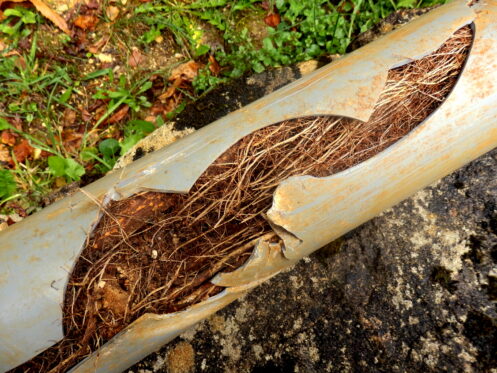
Tree roots naturally seek moisture. If an underground sewer pipe develops a crack, loose joint, or another vulnerable area, roots can enter the line and continue growing.
Once inside, roots can catch waste and other debris, gradually restricting the pipe. What starts as occasional slow drainage can eventually become a significant obstruction.
Clearing the immediate blockage may restore flow, but recurring root problems can indicate that the sewer line itself needs attention. Identifying the condition of the pipe is important for determining the appropriate solution.
Schedule Drain Cleaning Before a Backup
You do not have to wait until wastewater is backing up into your home to call a plumber. Recurring clogs and slow drains are good reasons to investigate what’s happening inside the system.
Professional drain cleaning can remove buildup that is restricting normal drainage. Pipe Surgeon Plumbing offers drain cleaning and rooter services as part of its Lexington plumbing services.
Depending on the cause and condition of the pipes, plumbers may also recommend hydro jetting or another method for clearing the line.
Consider a Sewer Camera Inspection
When drainage problems keep returning, a camera inspection can provide more information than repeatedly clearing the same clog.
A plumbing camera allows a professional to examine the inside of the sewer line for obstructions and pipe damage. Pipe Surgeon Plumbing specifically lists camera inspections among its Lexington plumbing services and notes that video checks can be used to examine pipes.
An inspection can help determine whether the problem involves buildup, roots, deterioration, or another obstruction. If damage is found, the plumber can then recommend the appropriate sewer repair.
Be Careful About What Goes Down Your Drains
Fall gatherings and holiday cooking can create additional opportunities for drain clogs. Grease, food scraps, and other materials should not be treated as harmless just because they fit down the drain.
Help protect your drains this fall by:
- Keeping grease and cooking oils out of sinks
- Using drain strainers to catch food and debris
- Only flushing toilet paper and human waste
- Addressing slow drains instead of waiting for complete clogs
- Keeping outdoor drainage areas clear of leaves and debris
- Having recurring sewer problems professionally inspected
Good habits cannot prevent every sewer problem, but they can reduce unnecessary strain on your drainage system.
Address Sewer Problems Before They Become Emergencies
A sewer backup can expose your home to wastewater and cause significant cleanup problems. Paying attention to slow drains, recurring clogs, unusual sounds, and other changes gives you an opportunity to investigate before the problem becomes more disruptive.
If your Lexington home is showing signs of a drain or sewer problem, contact Pipe Surgeon Plumbing. Their team can diagnose the cause and recommend drain cleaning, camera inspection, rooter service, sewer repair, or another appropriate solution.