When you wake up to find that your sink is dripping or you have a serious leak in the basement or crawlspace, you need the help of a Georgetown, KY, plumber quickly. Sometimes, plumbing problems are minor inconveniences. Other times, they are serious emergencies. All of these scenarios are problematic, however, as they cost you time and money. Regardless of the situation you’re facing, you can get reliable plumbing service in Georgetown, KY, from the team at Pipe Surgeon Plumbing.
Plumbing Services in Georgetown, KY
$50 OFF Referral Discount
If you refer a customer, and the job is booked - $50 discount on next service.
Reliable, Comprehensive Plumbing Service in Georgetown, KY
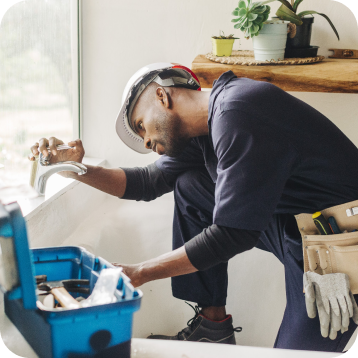
Plumbing problems never happen at convenient times. When you have an issue, you need quality help, and fast. Pipe Surgeon Plumbing has a team of expert Georgetown plumbers who can quickly service any problem you have with your plumbing, sewer, and gas lines. Unlike other companies that are looking to do the job as quickly as possible, we take the time to do it well. Our plumbing services include services for both residential and commercial customers, and we specialize in bathroom and kitchen remodels.
Here is the extensive range of plumbing services we offer:
- Pipe Repair
- Leak Detection
- Drain Cleaning
- Drain Repair
- Rooter Services
- Gas Lines
- Hydro Jetting
- Emergency Plumbing
- Camera Inspections
- Plumbing Remodeling
- Water Heaters
- Tankless Water Heaters
- Water Filtration
- Water Softeners
- Toilet Repair/Install
- Faucet Repair/Install
- Shower Repair/Install
- Garbage Disposals
- Sump Pumps
- Sewer Repair
- Kitchen Remodels
- Bathroom Remodels
- Slab Leaks
- Camera Inspections
- Sprinkler Systems
- New Construction
Whether you’re dealing with a leaky faucet, a clogged drain, or a malfunctioning water heater, our experienced team is equipped to handle it with efficiency and expertise. We prioritize prompt service and transparent communication, ensuring that you’re informed every step of the way. From routine maintenance to emergency repairs and new installations, we strive to exceed your expectations and deliver lasting solutions that keep your plumbing system running smoothly.
Trusted Georgetown Plumber with Plumbing in His Blood
When you contact Pipe Surgeon Plumbing for plumbing service in Georgetown, KY, you get more than just a plumber. You get service from a professional who has plumbing in his blood. The owner of Pipe Surgeon Plumbing has worked in the family plumbing business since age seven. He fell in love with the plumbing industry, and he brings that passion to every day of work.
Since that time, he has built a team of plumbers offering services Georgetown property owners trust day in and day out. You can count on a high level of integrity in every job his team performs. This means not only a high level of plumbing skill but also reliability and honesty with every job. We always send a clean-cut, honest professional to the job, and our team never tries to upsell unnecessary products or services. If we tell you something needs to be repaired, you can trust our word.
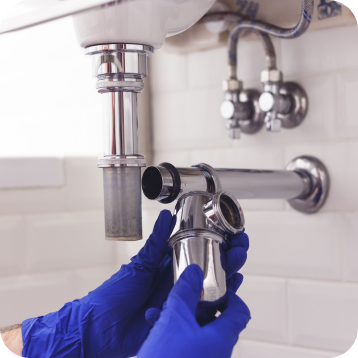

If you are looking for the best Georgetown plumber and want to work with a locally-owned family business, call Pipe Surgeon Plumbing to schedule service today.
Services We Offer Include:
Frequently Asked Questions
How do I know if a plumbing issue is bigger than it looks?
Some plumbing problems seem minor at first but can point to a larger issue in the system. A slow leak, recurring drain problem, drop in water pressure, or fixture that keeps acting up may be tied to something deeper than the symptom you can see. If the same issue keeps returning or starts affecting more than one area of the home, it is a good idea to have us inspect it before it turns into a more expensive repair.
When should I call a plumber instead of waiting?
It is usually best to call when the problem is not improving, keeps coming back, or could lead to water damage if it gets worse. Many homeowners wait because the issue still seems manageable, but plumbing problems often become more disruptive over time. If you are noticing leaks, poor drainage, unusual fixture behavior, or anything that is affecting daily use, having us take a look early can save time, money, and frustration.
What should I do before my plumbing appointment?
If water is actively leaking, shut off the nearest fixture valve if you can do so safely. If that does not stop the issue, turning off your home’s main water supply may help prevent additional damage. It also helps to clear access around the affected area and make note of when the problem started, how often it happens, and whether anything has changed recently. That information can help us diagnose the issue more efficiently once we arrive.
Is it better to repair or replace a plumbing fixture?
That depends on the age of the fixture, the condition of the surrounding plumbing, and whether the problem is isolated or part of a bigger pattern. A simple part failure may only need a repair, but repeated leaks, corrosion, or ongoing performance problems can make replacement the smarter long-term option. We can inspect the issue and help you decide which solution makes the most sense for your home and your budget.
5 STAR REVIEWS
See More Reviews
"These guys was on top of their game. They worked up to 10:30 at night to make sure I had water that night. they stayed in touch with me through out the whole process. it’s hard to find Companies these days that care about their customers as much as Pipe Surgeon."
Contact Pipe Surgeon Plumbing
Contact Us for Reliable Plumbing Services in Lexington!
©2026 Pipe Surgeon Plumbing License: #M8259 All Rights Reserved Privacy Policy License: #M8259 Web Design and Internet Marketing by RYNO Strategic Solutions