Reliable emergency plumbing in Georgetown, KY addresses urgent issues like clogs and leaks. If you ignore these problems, structural damage and mold growth can occur. Pipe Surgeon Plumbing provides 24/7 plumbing repair to the community, keeping homeowners and their families safe and comfortable.
Emergency Plumbing Services in Georgetown, KY
10% OFF for Veterans
Call for Details.
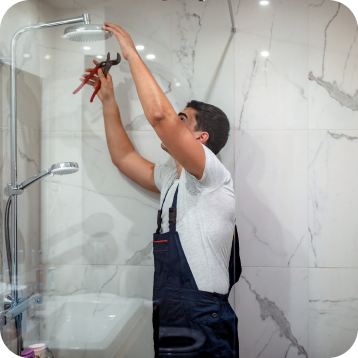
Georgetown Emergency Plumbing Support
When a pipe leaks or bursts, damage can occur within seconds. If you can, turn off the water to the area of your plumbing system that is leaking and call our team. These sections of pipe will likely require replacement. We will determine the cause of the leak to prevent recurring issues. The most common causes of burst or leaking pipes include corrosion, freezing, and clogs.
Sewer damage can occur from tree roots growing through pipes, along with clogs and structural integrity issues. We will inspect your sewer lines using camera equipment and determine a repair plan. The goal is to fix the issue without the need for excessive excavation. Signs of sewer damage include drains backing up, foul odors, and water pooling on your lawn.
An overflowing toilet can make a mess of your bathroom. This scenario also poses health hazards by spreading bacteria and promoting mold growth. You may have a clog in the drain line or a sewer problem if you can’t sufficiently flush your toilet or the water level in the bowl is rising. We can determine the source of a clog or repair toilet components.
A lack of water coming from your faucets and fixtures is a major inconvenience. This can also be a safety issue if you can’t flush toilets or wash your hands. Frozen pipes may be to blame. There may also be issues with your main water line that are preventing clean water from making its way through your plumbing system. It’s a good idea to reach out to neighbors and your local water authority to see if there is an area-wide issue. If not, call our team to determine why you don’t have water.
The sudden failure of your water heater is also another emergency issue that can disrupt convenience and safety. We can inspect heating elements, tank condition, and the pipes that connect to your heater. Routine maintenance is a good way to avoid this and other water heater issues.
There are many signs that you should schedule emergency plumbing assistance, including:
- Strong odors coming from one or more drains
- Water pooling underneath a sink
- Slow drainage
- Backups
Scheduling 24/7 Plumbing Repair
You can expect professional service when you work with our team at Pipe Surgeon Plumbing. We offer 24/7 plumbing repair support, because we understand a plumbing emergency can happen at any time. Our same-day service provides you with peace of mind and a safe plumbing system. We are the winner of the Angi Super Service Award and are proud of our positive reputation in the community.
Contact Pipe Surgeon Plumbing for emergency plumbing services in Georgetown today.
Frequently Asked Questions
What should I do first during a plumbing emergency?
If you can do so safely, start by shutting off the water to the affected fixture or to your home’s main water supply. That can help limit water damage while you wait for help to arrive. You should also avoid using nearby sinks, toilets, or drains if the issue involves backups or possible sewer trouble. Taking quick action early can make a big difference in how much damage the emergency causes.
How do I know if a plumbing issue is an emergency?
A plumbing problem should be treated as an emergency when it threatens your home, your safety, or your ability to use essential plumbing normally. Fast-moving leaks, backed-up drains, sewage concerns, no water, or anything that could quickly cause damage is worth immediate attention. If the problem is actively getting worse or affecting multiple parts of your plumbing system, it is usually better to call right away instead of waiting.
Can waiting make an emergency plumbing issue worse?
Yes. Plumbing emergencies often become more expensive and disruptive the longer they are left alone. Water can spread fast, hidden damage can build behind walls or under floors, and problems that seem isolated can start affecting other parts of the system. Calling as soon as you notice a true emergency gives you a better chance of limiting damage and getting the issue under control sooner.
What should I avoid during a plumbing emergency?
Try not to keep running water through a system that is already showing signs of failure. Avoid flushing toilets, using drains, running appliances, or attempting a bigger DIY fix if sewage is backing up, water is leaking heavily, or the cause is unclear. In many emergencies, continuing normal use can make the situation worse. The safest move is to stop using the affected plumbing and let us assess the problem.
5 STAR REVIEWS
See More Reviews
"These guys was on top of their game. They worked up to 10:30 at night to make sure I had water that night. they stayed in touch with me through out the whole process. it’s hard to find Companies these days that care about their customers as much as Pipe Surgeon."
Contact Pipe Surgeon Plumbing
Contact Us for Reliable Plumbing Services in Lexington!
©2026 Pipe Surgeon Plumbing License: #M8259 All Rights Reserved Privacy Policy License: #M8259 Web Design and Internet Marketing by RYNO Strategic Solutions