
Even with Kentucky’s warmer weather, winter puts stress on pipes in ways you do not always see right away. Even if nothing bursts during an unexpected freeze during a cold night, pressure changes, shifting soil, and heavy water use can leave behind small problems that appear weeks later. Spring gives you a chance to catch those issues before they grow into leaks or backups.
At Pipe Surgeon Plumbing in Lexington, KY, our plumbing services team helps homeowners review their plumbing systems after winter so small warning signs don’t turn into major repairs. If you want to move into the warmer months without worrying about hidden pipe damage, now is the time to take a closer look.
Inspect Exposed Pipes for Subtle Freeze Damage
Start with what you can see. Walk through basements, crawl spaces, garages, and utility rooms where pipes remain exposed. You are not just looking for dramatic splits. Small cracks and hairline fractures often appear after a hard freeze and may not leak right away. As water pressure rises during spring use, those weak spots can begin to drip.
Run your hand along pipe joints and fittings. Check for dampness, discoloration, or mineral buildup that signals slow leakage. Pay close attention to shutoff valves and hose bib connections. Even a slight bulge in copper or a warped section of plastic pipe deserves attention.
If insulation shifted during winter, reposition it so pipes stay protected from future cold snaps. Spring inspection is about confirming stability. A pipe that survived winter does not automatically mean it came through without stress.
Check Outdoor Faucets and Irrigation Lines
Outdoor plumbing faces the harshest winter conditions. Turn on each exterior spigot slowly and watch how water flows. A steady stream is normal. Sputtering, reduced pressure, or water pooling near the foundation can signal a cracked line behind the wall.
Look inside for signs of moisture where the pipe enters the home. Freeze damage often hides in that transition point. If your home has irrigation, test each zone before regular watering begins. Broken sprinkler heads or underground line splits may only show themselves once the system runs under full pressure.
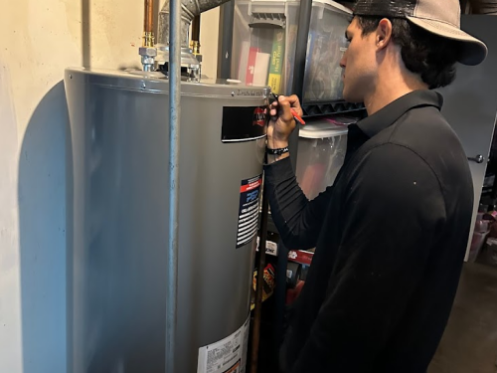
Monitor Water Heater Performance After Heavy Winter Use
Your water heater works harder during winter. Longer showers and increased laundry loads put added demand on the system. As spring arrives, take time to evaluate how it performs.
Listen for popping or rumbling noises when the heater runs. Sediment that settled during months of heavy use can collect at the bottom of the tank. That buildup reduces heating efficiency and stresses the unit.
Check around the base for moisture. Even small puddles can indicate a failing valve or internal corrosion. If hot water runs out faster than usual, internal components may need inspection. Spring is a practical time to flush sediment and confirm that connections remain tight and secure.
Test Drains for Slow Movement or Gurgling
Cold weather can harden grease and debris inside pipes. As temperatures rise and water usage increases, those restrictions may lead to slower drainage. Run water in sinks, tubs, and showers and watch how quickly it clears.
Listen for gurgling sounds after flushing toilets or emptying a bathtub. That noise can signal air movement caused by partial blockages or venting issues. Addressing slow drains early reduces the risk of backups and more expensive drain repairs later in the season.
If more than one drain reacts at the same time, the issue may sit deeper in the sewer line. Spring inspection helps you spot patterns before wastewater has nowhere to go.
Examine Fixtures, Seals, and Supply Lines
Winter air can dry out rubber seals and gaskets. Check under sinks for drips around supply lines. Inspect toilet bases for shifting or moisture. A toilet that rocks slightly may have a compromised wax seal.
Turn on faucets and look for inconsistent pressure or small leaks at the handles. Even a slow drip can waste gallons of water over the course of weeks. Examine washing machine hoses for cracks or bulges. Those hoses sit under pressure year-round and often fail without warning.
Spring is about tightening, replacing worn washers, and confirming that connections remain secure. Small adjustments now prevent water damage once seasonal humidity rises.
Protect Your Home Before Small Issues Spread
A spring plumbing inspection helps you move into the new year with confidence. If anything looks questionable or you want a professional to take a look, we also provide leak detection, drain cleaning, water heater service, and full plumbing inspections for Kentucky homeowners. Schedule your spring plumbing inspection with Pipe Surgeon Plumbing today and make sure your system is ready for the months ahead.